
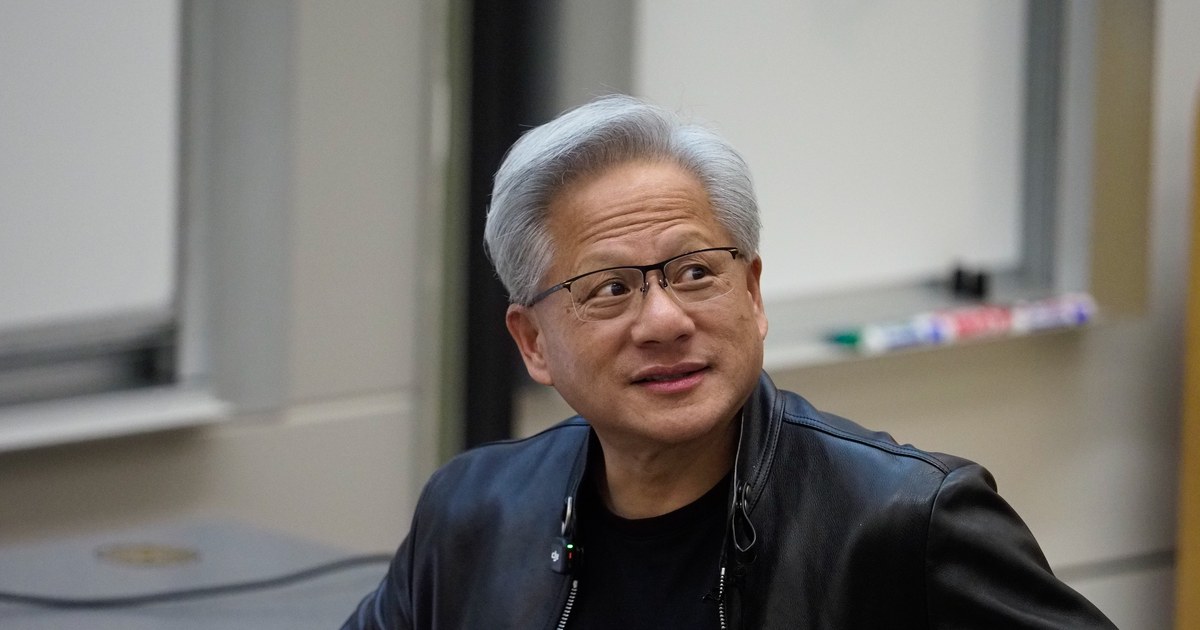
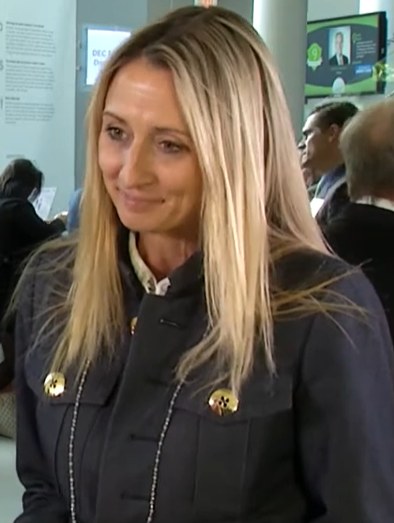
Jensen Huang led Nvidia from its founding in 1993 until Nov. 11, 2026, when its board accepted his resignation as president, chief executive and director, effective immediately. Chief financial officer Colette Kress became interim CEO, and longtime director Harvey C. Jones became the board’s first-ever chair. The question is who drove the Jensen Huang ouster.
Reporters published the story, but others produced the intelligence, framed it, acted on it and benefited from it. This analysis weighs the evidence on each.
The Record Behind the Founder
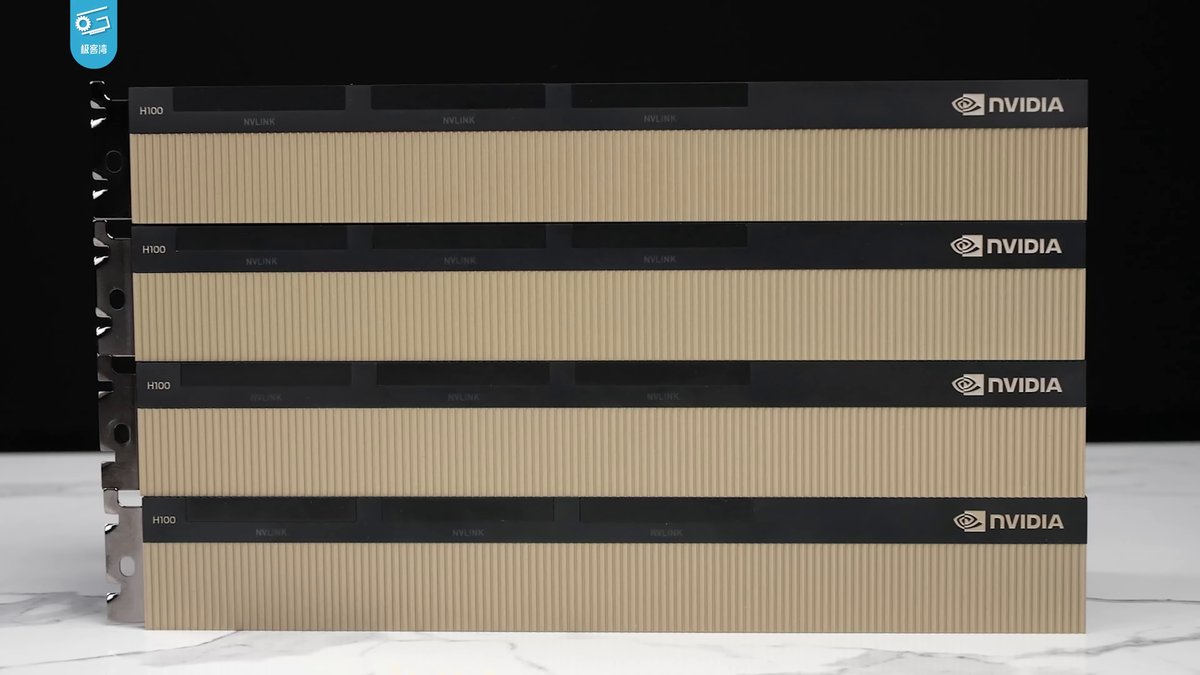
Huang co-founded Nvidia on April 5, 1993, with Chris Malachowsky and Curtis Priem, according to the company, and he was its only chief executive for more than three decades, Bloomberg reported. Under him, Nvidia’s chips came to provide two-thirds of the world’s AI computing power, The Economist reported. Nvidia’s shares rose sevenfold through early October, and its market value at one point neared $6 trillion, Reuters reported.
On Oct. 8, President Trump awarded Huang the National Medal of Science “for advancing the graphics processing unit into a general-purpose computing architecture,” the White House said. Huang also remains one of Nvidia’s largest shareholders, with a 3.61% stake, Reuters reported.
A Timeline of the Jensen Huang Ouster
- 2024: The Justice and Commerce departments began investigating Megaspeed, a Singapore-based Nvidia customer, over suspected diversion of restricted chips to China, CNN reported.
- August 2025: A “tech industry contact” tipped New York Times reporters to Megaspeed, reporter Tripp Mickle said on The Daily.
- Spring 2026: Secretary of State and National Security Adviser Marco Rubio warned in a memo about Huang’s relationship with Alice Huang, a former Megaspeed executive, and, one source told CNN, briefed President Trump aboard Air Force One en route to China in May. Trump has publicly denied knowing of the allegations at the time.
- Oct. 29, 2026: The Times reported that U.S. agencies had surveilled Alice Huang as a possible Chinese intelligence asset. Nvidia called Huang’s interactions with her “not unusual.”
- Early November: The Times and the Financial Times reported on the memo itself, including the claim of a romantic relationship.
- Nov. 8: Huang wrote to staff, “I was unfaithful to my wife.” The board opened an independent investigation and said it had “confidence in Jensen.”
- Nov. 11: The Times reported a second relationship, with Nvidia healthcare vice president Kimberly Powell. Minutes later the Wall Street Journal reported the board was preparing to force Huang out, CNBC reported. The board accepted his resignation that day.
The First Mover: The Intelligence Memo
According to CNN, the FBI has been investigating the relationship for at least a year. The bureau was particularly suspicious of Alice Huang’s shift from Chinese state television journalist to businesswoman with “an unusually large amount of purchasing power,” one source told the network. CNN also reported that U.S. intelligence obtained communications that “appeared to indicate someone with close access to Jensen Huang and Nvidia was the source of information that ended up in Chinese intelligence streams.”
That is the strongest public espionage evidence, and it rests on one anonymous source.
The memo built on that intelligence is the key document. The Washington Post reported on Nov. 13 that Rubio drew on a CIA report but, according to a person familiar with the matter, recast the agency’s findings in more assertive terms, as Moneycontrol summarized the Post’s account. Two former senior FBI officials questioned why Huang was never given a “defensive briefing” warning him he could be a target.
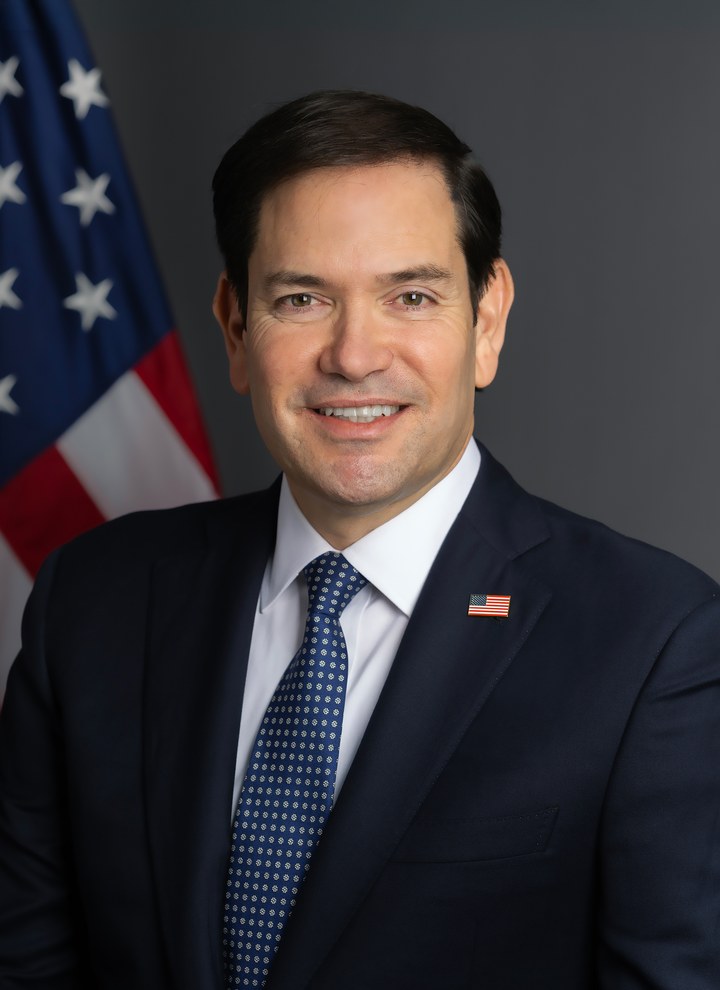
At a Group of Seven meeting in Paris on Nov. 10, Rubio declined several questions about his role, the Post reported. Asked whether the allegations colored his view of AI talks with China, he said, “I work for the American people,” according to the State Department’s transcript.
The Intelligence Community Was Not Unanimous
The memo’s central claim, that China’s Ministry of State Security recruited Alice Huang, is not settled.
- Some officials at the Office of the Director of National Intelligence called the spy characterization “not entirely accurate and over-torqued,” CNN reported.
- CIA officials were “not yet convinced” that the intelligence “proves she was knowingly funneling information back to Beijing,” a source told CNN.
- Attorney General Todd Blanche said there were “no conclusions reached by the Department of Justice, or by me, or by [FBI] Director Patel around who she is or is not.”
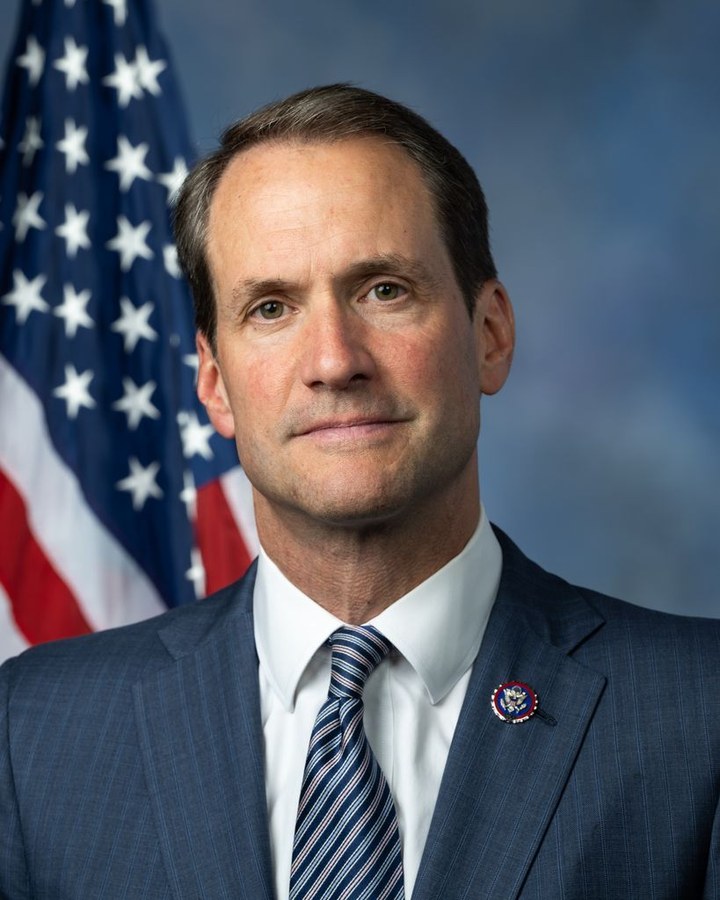
- Rep. Jim Himes, the ranking Democrat on the House Intelligence Committee, said after a classified briefing that the open question was “what influence or information was traded,” adding, “Because today, at least, I don’t know.”
- President Trump said, “I don’t know that she was a spy at all,” the BBC reported.
CNN also reported that some officials believe that, given her access to Huang and through him to the president, she “posed a clear counterintelligence risk” even if she had not passed anything on.
Singapore adds a separate data point. Its Ministry of Home Affairs said Alice Huang was not investigated for espionage. Police found she knowingly gave inaccurate information to downplay her role at Megaspeed, issued a stern warning and barred her from re-entering the country. They found insufficient evidence that she committed the offenses under investigation. No charges against her have been reported, and she has not responded to Reuters or the FT.
The Board: From “Confidence” to Ouster in Three Days
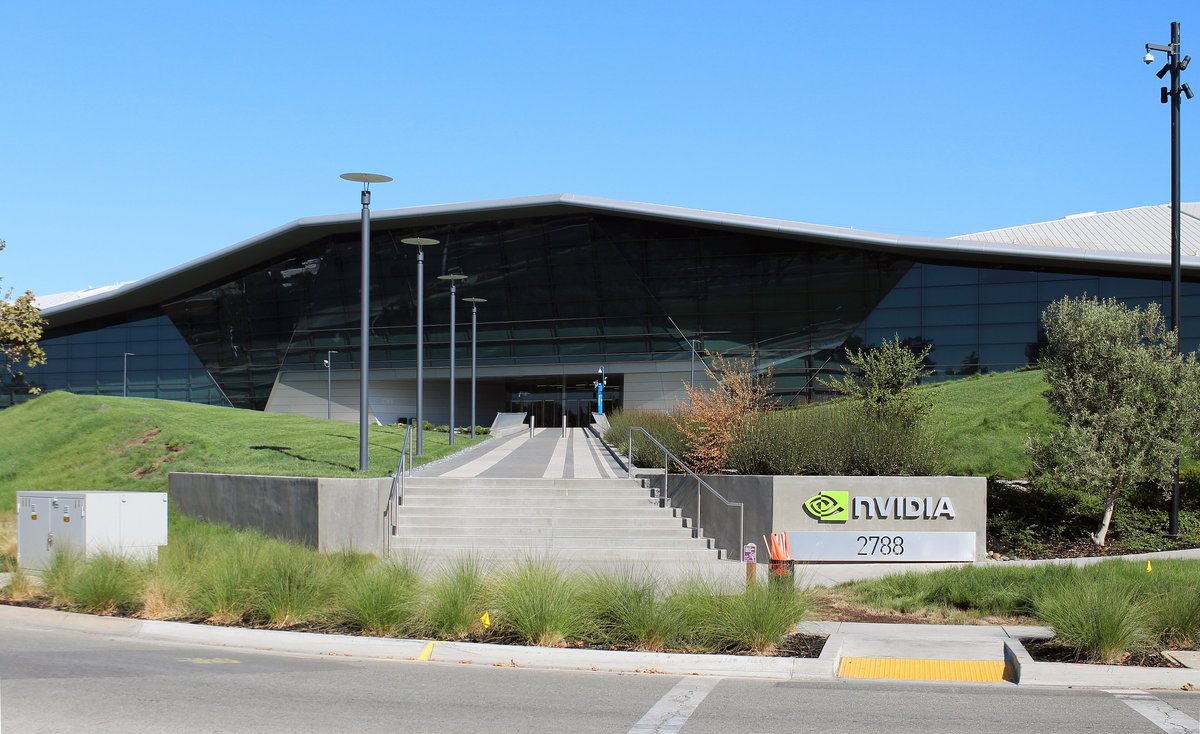
On Nov. 8 the board said it had “no reason to believe that either national security or NVIDIA secrets were compromised” and expressed confidence in Huang. On Nov. 10, the independent directors retained former acting U.S. Attorney Joon H. Kim and Wachtell, Lipton, Rosen & Katz to investigate.
Two developments followed. First, the Times reported a relationship with Kimberly Powell, a direct report, raising a workplace-conduct issue separate from national security. Second, Reuters reported that in October Huang told Nvidia leaders, including general counsel Tim Teter, that his interactions with Alice Huang were standard business dealings with customers. Two sources told Reuters he had misled them. Huang’s own memo named no one.
As The Verge noted, the board acted before its own investigation concluded. The evidence supports a narrow reading: the board moved after the subordinate-relationship report and the candor questions, not after any espionage finding. Its investigation is open, and the 8-K gives no reason.
Supporters have since challenged the process. An online petition drew more than 175,000 signatures, including Elon Musk’s, and its organizers expressed concern that Huang “was removed without meaningful due process,” the BBC reported. A board representative said on Nov. 13 that it was selecting a search firm for the CEO role, CNBC reported.
The Policy War: Export Controls and the China Hawks
The third force is the long fight over chip sales to China. Here the evidence shows motive and benefit, not a proven plot.
Huang lobbied for years against curbs on chip sales to China, Al Jazeera reported, drawing on AP and Reuters. Nvidia’s third-quarter 2026 federal lobbying report lists $2.15 million in expenses and lists export-control rules among the issues lobbied on.
A former official who worked on chip policy told the Post that some national security officials “wanted to destroy the influence Jensen had over the president,” per Moneycontrol’s summary.
Rubio’s distance from Huang. The Washington Sun reported, citing two sources, that Huang could not secure a meeting with Rubio despite at least three requests, in spring 2025, summer 2025 and early 2026.
Chris McGuire’s case. McGuire, a former National Security Council official now at the Council on Foreign Relations, wrote on X on Nov. 6 that “the motivations underpinning Nvidia’s policy views opposing export controls must now all be questioned,” and asked: “What is a POSSIBLE good explanation for why Megaspeed is still receiving chips?” Nvidia told the Times last year that its compliance team found Megaspeed “wholly owned and operated by a company based and headquartered outside China, with no China shareholders,” the New Yorker’s John Cassidy noted. Megaspeed denies wrongdoing and says it is working “constructively and transparently” with Washington.
The halted probe. The Times reported that Commerce’s Bureau of Industry and Security halted its Megaspeed investigation in 2025 after Teter emailed investigators citing permission from Undersecretary Jeffrey Kessler to communicate with them, as summarized by the Herald Business. Commerce later stood down at the Justice Department’s request. Commerce and Nvidia both defended their conduct.
Cabinet friction. Treasury Secretary Scott Bessent said, “Treasury, War, [the U.S. Trade Representative] and State, they were in favor of putting Megaspeed on the Entity List for months, but Commerce has the pen,” CBS News reported.
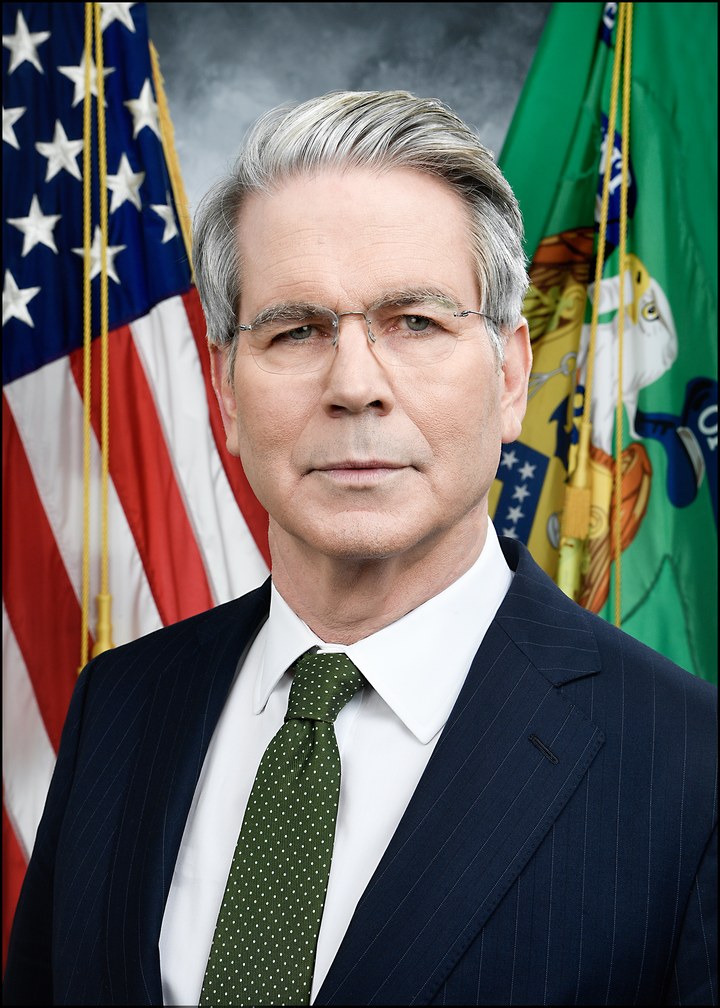
The policy result. On Nov. 16, Commerce issued an interim final rule on remote access to advanced chips through third-country data centers, “written by and at the direction of the Department of Treasury and the National Security Council.” It is the clearest gain so far for export-control advocates.
Not everyone accepts that framing. David Sacks, co-chair of the President’s Council of Advisors on Science and Technology, wrote that “the only crime that we know for sure happened is the leaking of the classified memo,” and asked, “Who did that and why?” No source has identified who leaked the memo.
The Counter-Campaign: Fake Accounts and a Disputed Israeli Link
Influence also ran the other way. On Nov. 10, Tyler Johnston of The Midas Project, a nonprofit AI watchdog, identified more than 400 apparent sockpuppet accounts that, since November 2025, posted thousands of times backing Nvidia on export controls and later defending Huang.
Most accounts Haaretz had tied to “Project Lighthouse,” a pro-Qatar campaign run, Haaretz reported, by Koios, a small Israeli company, later joined the pro-Nvidia effort. Koios denied involvement then and told Midas it “has no connection to this matter.” Nvidia said: “We have no relationship with those firms and have not asked any other party to engage them on our behalf.” Johnston wrote that who funded the campaign “remains unclear.” No source attributes it to the Israeli government or to Nvidia.
On Nov. 16, Midas reported a second effort: more than 80 influencers on X were likely paid, through the marketing firm Urban Legend, to promote pro-industry articles, including defenses of chip sales to China. Johnston wrote, “There’s no conclusive link between Nvidia and these campaigns.” Urban Legend declined to comment.
Lawmaker Stock Sales: What the Disclosures Show
Several House members’ households reported Nvidia sales before the Oct. 29 report, according to the New York Post, citing Capitol Trades and Quantellect: Rep. Ro Khanna’s wife’s trust ($1,001 to $15,000 on Sept. 4 and Oct. 7), Rep. Pete Sessions’ wife ($15,001 to $50,000 on Oct. 2), Rep. Dan Meuser’s wife ($1,001 to $15,000 on Sept. 25) and Rep. Gil Cisneros ($1,001 to $15,000 on Oct. 20).
Khanna’s spokesperson said neither Khanna nor his staff “received any briefing on Megaspeed, Jensen, or any counterintelligence risks,” and that Khanna “provided zero direction or input into any trades.” CNN has reported that federal agents told some lawmakers about a year ago that they suspected Huang was the “target of a foreign intelligence effort”; CNN did not name them, and no source cited here says any of these members was briefed. None of the reports cited here alleges insider trading.
What Role Did China Play?
Two questions are often blurred. First, did China try to compromise Huang? U.S. intelligence officials believe so, per the Financial Times, but the government has reached no public conclusion. Beijing calls the allegation “entirely groundless,” and its foreign ministry urged the U.S. to stop “fabricating so-called spy narratives” as a pretext for a technology blockade.
Second, did China drive the ouster? No source reviewed here suggests it did; Washington has since moved toward the tighter controls Beijing opposes. A former Commerce official told CNN that “an intelligence operation wasn’t necessary” to get chips flowing through Megaspeed, because China’s interests and Nvidia’s already overlapped and “a regulatory loophole” allowed it.
Established, Alleged, Unknown
Established by filings, official statements or multiple outlets:
- Huang resigned Nov. 11 after a Nov. 8 memo admitting infidelity that named no one.
- A classified memo on Alice Huang, overseen by Rubio, circulated among senior officials before Trump’s May trip to China.
- Megaspeed was under U.S. investigation, and Commerce did not list it despite other agencies’ requests.
- Singapore barred Alice Huang for misleading police and said it did not investigate her for espionage.
Alleged, with the source of the allegation:
- That China’s Ministry of State Security recruited Alice Huang (U.S. intelligence assessment, per the NYT and FT; disputed by some ODNI and CIA officials, per CNN; denied by Beijing).
- That Rubio recast the CIA’s findings in more assertive terms (one person familiar, per the Washington Post).
- That Rubio briefed Trump on the memo aboard Air Force One (one source, per CNN; Trump denies knowing at the time).
- That Huang misled Nvidia’s general counsel (two sources and internal messages, per Reuters).
- That Nvidia’s contact with Commerce stalled the Megaspeed probe (per the NYT; Commerce and Nvidia defend their conduct).
- That an influence network linked to Koios defended Nvidia (per The Midas Project; Koios and Nvidia deny any link).
Unknown:
- Whether Alice Huang passed any information to Beijing.
- Who leaked the memo, and why.
- What the board’s inquiry will find.
- What comes next for Nvidia’s leadership.
Who Drove the Ouster: What Is Settled and What Is Not
No single actor pushed Jensen Huang out. The intelligence community supplied the material, though its own analysts disagree on what it proves. Officials who favored tighter export controls carried it to the top of government, and their policy goals have since advanced. Nvidia’s board made the call after reports about a subordinate and about candor, before its own investigation concluded.
What remains unresolved matters as much: whether espionage occurred, who leaked the memo and why, and what the board’s inquiry will find. Until those answers come, the account of who drove the Jensen Huang ouster remains incomplete.