Where things stand: Democrats have approved six early nominating contests for 2028: South Carolina January 22, Nevada February 1, New Hampshire February 8, New Mexico February 15, Michigan February 22 and Virginia February 29. A complete, binding Republican and nationwide state primary calendar was not yet established as of October 23, 2026.
Data as of October 23, 2026; sources listed below.
What Is Officially Set for 2028?
Presidential nominations are not held in one nationwide primary. States and political parties schedule primaries and caucuses subject to state election statutes and each party’s delegate-selection rules. A date approved by a national party therefore does not always mean the state government has completed every administrative step needed to conduct a primary on that day.
The Democratic National Committee approved a six-state early window in August 2026. Its published early-state schedule lists specific dates. That is a primary source for the party decision, but it should be identified precisely as a Democratic national-party calendar rather than an all-party federal election schedule.
| State | Democratic early contest date | Status | Official source |
|---|---|---|---|
| South Carolina | January 22, 2028 | DNC-approved early window; state dates may change | DNC official early window |
| Nevada | February 1, 2028 | DNC-approved early window; state dates may change | DNC official early window |
| New Hampshire | February 8, 2028 | DNC-approved early window; state dates may change | DNC official early window |
| New Mexico | February 15, 2028 | DNC-approved early window; state dates may change | DNC official early window |
| Michigan | February 22, 2028 | DNC-approved early window; state dates may change | DNC official early window |
| Virginia | February 29, 2028 | DNC-approved early window; state dates may change | DNC official early window |
Republican dates for these states had not been set as of October 23, 2026. The dates in the table are the approved Democratic sequence, not a claim that every state has enacted them into law. The final administrative timetable may involve legislation, a state election board, a state party or a combination, depending on the jurisdiction.
Why the Democratic Calendar Starts With Six States
The DNC’s new six-state sequence opens with South Carolina and then moves through Nevada, New Hampshire, New Mexico, Michigan and Virginia. In its official announcement, the party described a process for choosing states to vote before the broader national window.
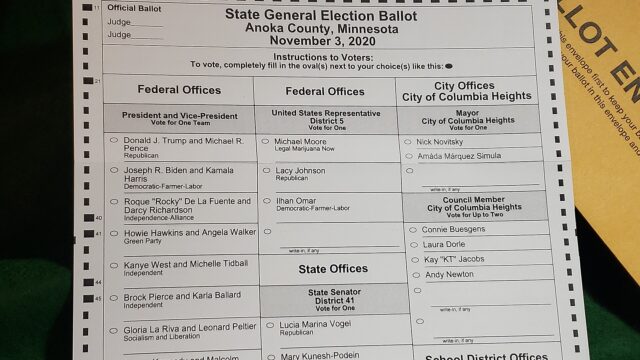
The distinction between a primary and a caucus is relevant. Primaries generally use state-administered voting machinery when state law provides it. Caucuses are party-run meetings or processes whose method of participation, allocation and reporting can differ substantially from an ordinary election. An early contest may be part of the party nomination process without operating exactly like a November general election.
Voters should also distinguish the calendar for a presidential primary from that for a state or congressional primary. One state can select presidential delegates early in the year while holding its legislative primary months later. Registration deadlines and party-affiliation requirements can differ between the contests.
At least three less obvious facts are important: February 29 exists in 2028 because it is a leap year; an official party date need not be identical to a date enacted in state law; and delegates, rather than a simple national popular-vote total, decide the nomination under each party’s rules.
What Is Known About the Republican Process?
The Republican National Committee has its own rules governing the presidential nominating process, including delegate allocation, permitted timing and penalties for noncompliance. The Republican Party rules provide the governing starting point, although revisions may occur as the 2028 nomination process approaches.
Iowa and New Hampshire have traditionally played early roles in Republican nominations. That historical pattern does not, by itself, establish a final 2028 date. A Republican contest date should be treated as unconfirmed until the relevant state and party authorities have announced and reconciled it.
Some Republican contests use caucuses; others use primaries; certain states may have different delegate rules for their Republican and Democratic contests. Even when the two major parties use the same polling date, they may calculate delegates differently. Winner-take-all, proportional and threshold-based systems are political-party rules, not interchangeable labels for the same method.
Because the calendar remains under development, presenting a complete map of 50 settled Republican primary dates in October 2026 would imply certainty unsupported by the available official documents. That matters for campaigns preparing state-specific voter education, ballot access and filing operations.
How Dates Become Binding
The final status of a presidential primary requires three checks. First, what has the political party authorized? Second, what does state law schedule, and which state agency will administer the election? Third, are the party’s delegate-selection plan and associated deadlines approved or still subject to amendment?
New Hampshire is a particular reminder that state-law responsibilities and national party preferences can interact. Its secretary of state has statutory duties concerning presidential primary scheduling. A national committee’s preferred sequence therefore should not be reported as final state action without confirmation from the New Hampshire secretary of state.
Candidate deadlines can also precede a voting date by weeks or months. Petition requirements, filing fees, party certification and ballot-access challenges have their own timetables. A candidate may be announced nationally yet fail to qualify for a given state ballot, or may withdraw after printed ballots are finalized.
The general election has a more straightforward federal statutory framework. The 2028 presidential election falls on November 7, the Tuesday after the first Monday in November. That is not the same type of date as a party’s January or February delegate contest.
What to Watch as the Calendar Fills In
The next useful updates will come from state secretaries of state, state legislatures and the national parties’ final delegate-selection materials. A robust calendar should show who set each date, what office is being selected, the party, whether it is a primary or caucus, and whether the decision is final.
Calendars should also identify any state whose contest moves because of a law change or administrative order. Such an update can alter voter registration cutoffs, absentee ballot availability, overseas voting preparation and early-voting periods. Voters should use their own election office for practical instructions rather than relying on a national schedule alone.
National polling and delegate counts will become meaningful after candidates file and specific contest rules are published. Before that, apparent precision in a date list can disguise the difference between proposed and legally scheduled elections.
Keeping the Calendars Straight
The six-state Democratic order gives campaigns in that party an early organizing timetable. It is a separate decision from the Republican process and from state-run election schedules, both of which are still developing. Treating them as one calendar leads to inaccurate comparisons of turnout and delegate stakes.
The largest practical advantage in the early calendar belongs to campaigns and voters who track the exact official requirements of each state, not those who assume past election dates automatically repeat.
Primary Calendar Questions
When is the first approved Democratic presidential contest of 2028? South Carolina is listed for January 22, 2028.
When is the New Hampshire Democratic contest? The DNC lists February 8, 2028; the state-administered schedule must also be checked.
Is there a complete Republican 2028 primary calendar? Not a fully verified national state-by-state schedule in the official materials reviewed for October 23, 2026.
When is the 2028 presidential general election? November 7, 2028.
Do presidential primaries directly elect the president? No. They help political parties allocate delegates and choose nominees; the November general election selects presidential electors.
Sources
- Democratic National Committee: 2028 early window
- DNC: Official selection announcement, August 2026
- Republican Party: Rules
- New Hampshire Secretary of State: Elections
- Federal statute: Time of presidential election, 3 U.S.C. § 1