Statute text is from the enrolled bill and Laws of Florida Chapter 2026-43. City statements are from the City of Delray Beach website. Checked at 6:45 AM ET, Nov. 19, 2026.
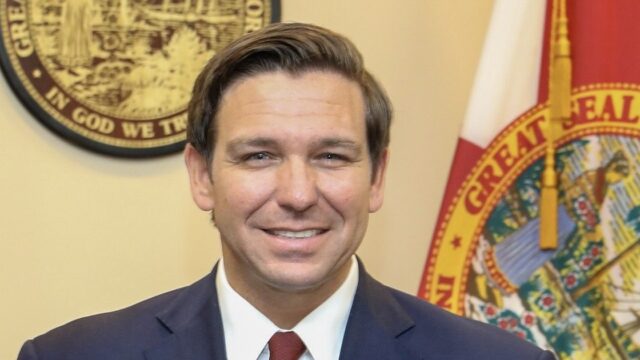
Gov. Ron DeSantis says Delray Beach did not have to cancel its St. Patrick’s Day parade. The city says the new Florida DEI law left it no choice. The text of the law, which takes effect Jan. 1, 2027, explains why both sides are pointing at the same statute.
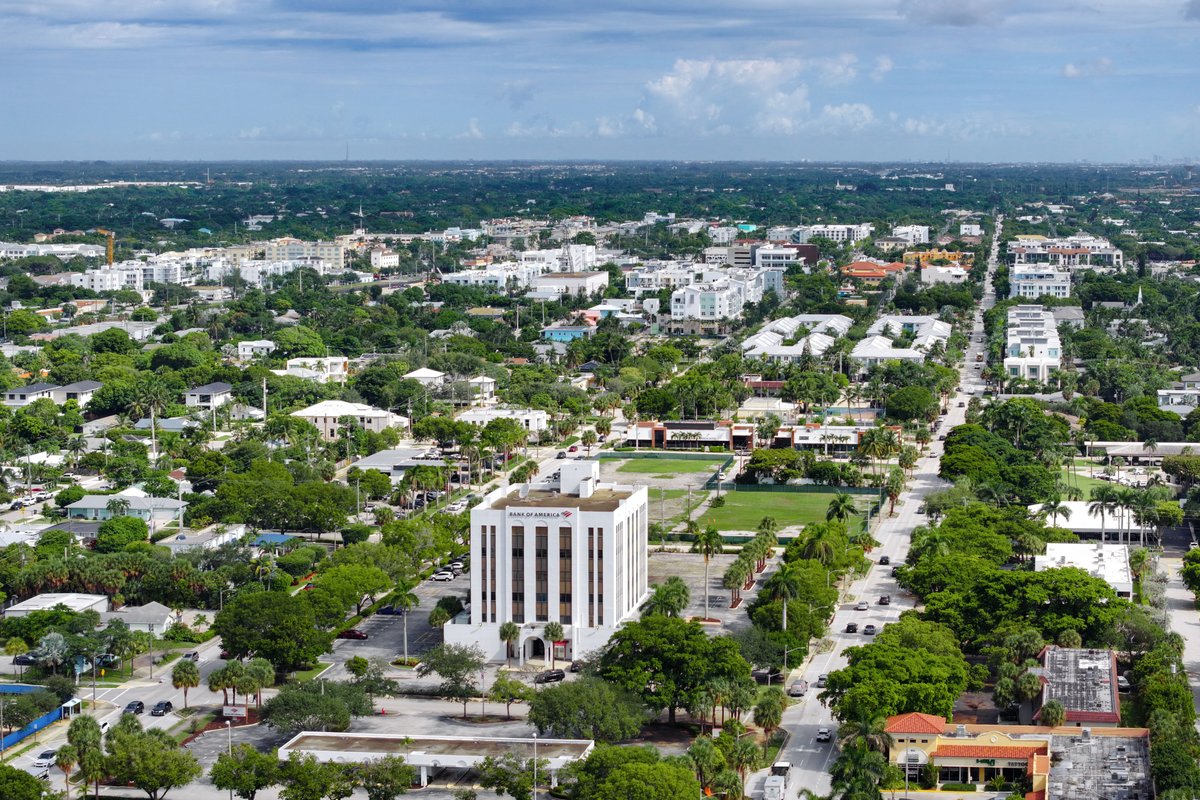
The Palm Beach County city announced on Tuesday, Nov. 10, that it will not organize or pay for its 2027 St. Patrick’s Day parade or its Pride festival. Three days later, DeSantis answered on X.
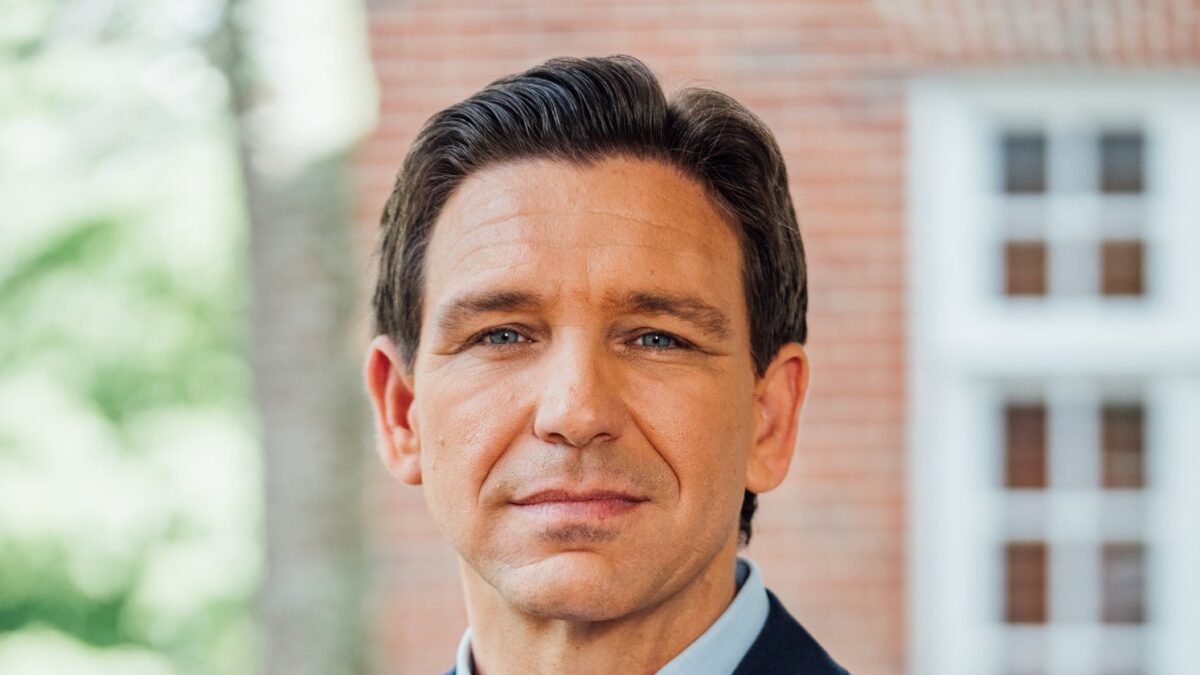
“Delray Beach is engaging in ‘malicious compliance.'” That was the governor’s verdict in his Nov. 13 post. “What they are doing is not mandated by Florida law.”
He called the move “an attempt to make a political point,” adding: “We’ve seen these stunts throughout the years. Rinse and repeat.”
What the Florida DEI law says
The law is CS/CS/SB 1134, sponsored by Sen. Clay Yarborough of Jacksonville. It passed the Florida Senate 25-11 on March 4 and the House 77-37 on March 10. DeSantis signed it in Jacksonville on April 22, and it became Chapter 2026-43, Laws of Florida.
Sections 1 and 2 create parallel statutes: section 125.595 for counties and section 166.04971 for cities. The city version says a municipality “may not fund or promote, directly or indirectly, or take any official action” relating to diversity, equity and inclusion. Existing local DEI ordinances, programs and policies “are void.”
The law defines DEI three ways. The third is the one at issue in Delray Beach: any effort to “promote or adopt training, programming, or activities designed or implemented with reference to race, color, sex, ethnicity, gender identity, or sexual orientation.” Religion is not on that list.
Cities also may not pay for a DEI office or DEI officer. A third new statute, section 287.139, makes anyone seeking a county or city contract or grant certify that it will not use local money to require DEI training or materials.
The law has teeth. A city official who violates it “commits misfeasance or malfeasance in office,” and any resident may sue the city in circuit court for an injunction, damages and costs.
When he signed it, DeSantis framed the law as a taxpayer issue. “Floridians should not be forced to pay for radical climate agendas or identity politics with their hard-earned tax dollars,” he said in the governor’s April 22 announcement. “Today in Jacksonville, I signed two important bills to limit government overreach and prevent local authorities from imposing carbon taxes and discriminatory DEI mandates on Floridians.”
What the Florida DEI law covers, and what it doesn’t
| A Florida city may not | A Florida city may still |
|---|---|
| Fund or promote, directly or indirectly, any effort the law defines as DEI | Recognize or promote holidays set by federal law, such as those in 5 U.S.C. 6103 |
| Adopt or enforce DEI ordinances, programs or policies (existing ones are void) | Recognize or promote state holidays and special observances in Chapter 683, Florida Statutes |
| Spend any funds on a DEI office or a DEI officer | Recognize patriotic and national observances in 36 U.S.C. 101-148 |
| Provide or authorize city funds for employees, contractors, volunteers, vendors or agents to promote DEI initiatives | Issue event permits “in a content-neutral manner” and provide “public safety services” |
| Award a contract or grant without a certification that the recipient will not use city money for required DEI materials | Take actions state or federal law requires; boards of nonelected volunteers are exempt |
From section 166.04971 and section 287.139, Florida Statutes, as created by Chapter 2026-43, Laws of Florida. Effective Jan. 1, 2027.
Why Delray Beach says it had to act
The city laid out its reasoning on its St. Patrick’s Day parade page. After a legal review, it said, “the City has determined that it is legally prohibited from organizing, funding, sponsoring, promoting, or marketing these two events in 2027.”
The city stressed that the call was not about money. “This decision is not budgetary in nature, nor is it the result of a local policy decision,” the statement said. “It is a matter of compliance with state law.”
On the holiday exemption, the city said St. Patrick’s Day “is not a federal holiday and, in this context, does not qualify for an applicable exemption.” St. Patrick’s Day also does not appear in Chapter 683, the state’s list of legal holidays and special observances.
The city pointed to the personal risk for officials. Under the law, it noted, officials who break it “may be subject to allegations of misfeasance or malfeasance.”
NPR reported that the decision came from the city manager’s office after the city attorney’s review. Mayor Tom Carney, a Republican, told NPR: “The governor may genuinely believe what he believes and I take him at his word; our city attorney came up with a different conclusion.”
The governor’s side: the law never banned a parade
DeSantis and the bill’s sponsor say the city is reading in a ban that lawmakers said was never there. Yarborough backed the governor on X the same day, in a post WUSF also attributed to him.
“The Governor is right,” Yarborough wrote. “When the bill was on the Senate floor, the specific question was asked related to whether St. Patricks Day observances would be prohibited. The answer was and still is no.”
The text gives private organizers a clear path. The law expressly lets a city issue event permits “in a content-neutral manner” and provide “public safety services.” That leaves room for a private group to apply for a parade permit and receive public safety services, as long as the city handles the permit the same way it would for any other event.
The city’s statement agrees on that much. The law “does not prohibit private organizations or individuals from independently sponsoring and organizing them,” it said, and City Manager Terrence R. Moore “remains open” to a private sponsor.
That is how the parade used to run. Carney told NPR it was privately run until about eight years ago, and that his own family helped keep it going in the 1980s and 1990s.
Not every legal observer agrees with the governor. Gainesville First Amendment attorney Gary Edinger told WUSF that a city-sponsored parade would be illegal under the statute, and said: “Private organizations can still sponsor a parade.”
What happens next
The parade may march anyway. A city spokesperson told WUSF that a private group has submitted an application to host it.
Carney has said he wants the event saved. “The community really wants to have it, so we should go ahead and have it, we just need to get it privately funded,” he told NPR.
The law takes effect Jan. 1, 2027. An application is not an approved event, and the city’s statement still leaves future private sponsorship open.
For DeSantis, the dispute is an early public test of a law he said would stop local authorities from “imposing” what he called “discriminatory DEI mandates on Floridians.” It comes the same month he restated his no-amnesty position on illegal immigration.