Mail and absentee voters can still check whether their ballot was accepted. In many states there is also still time to fix a missing or mismatched signature. Here is where to look and what each state’s official deadline says.
Updated Nov. 4, 2026, 11:59 a.m. ET. Deadlines were checked against state election office pages and state law on Nov. 4, 2026.
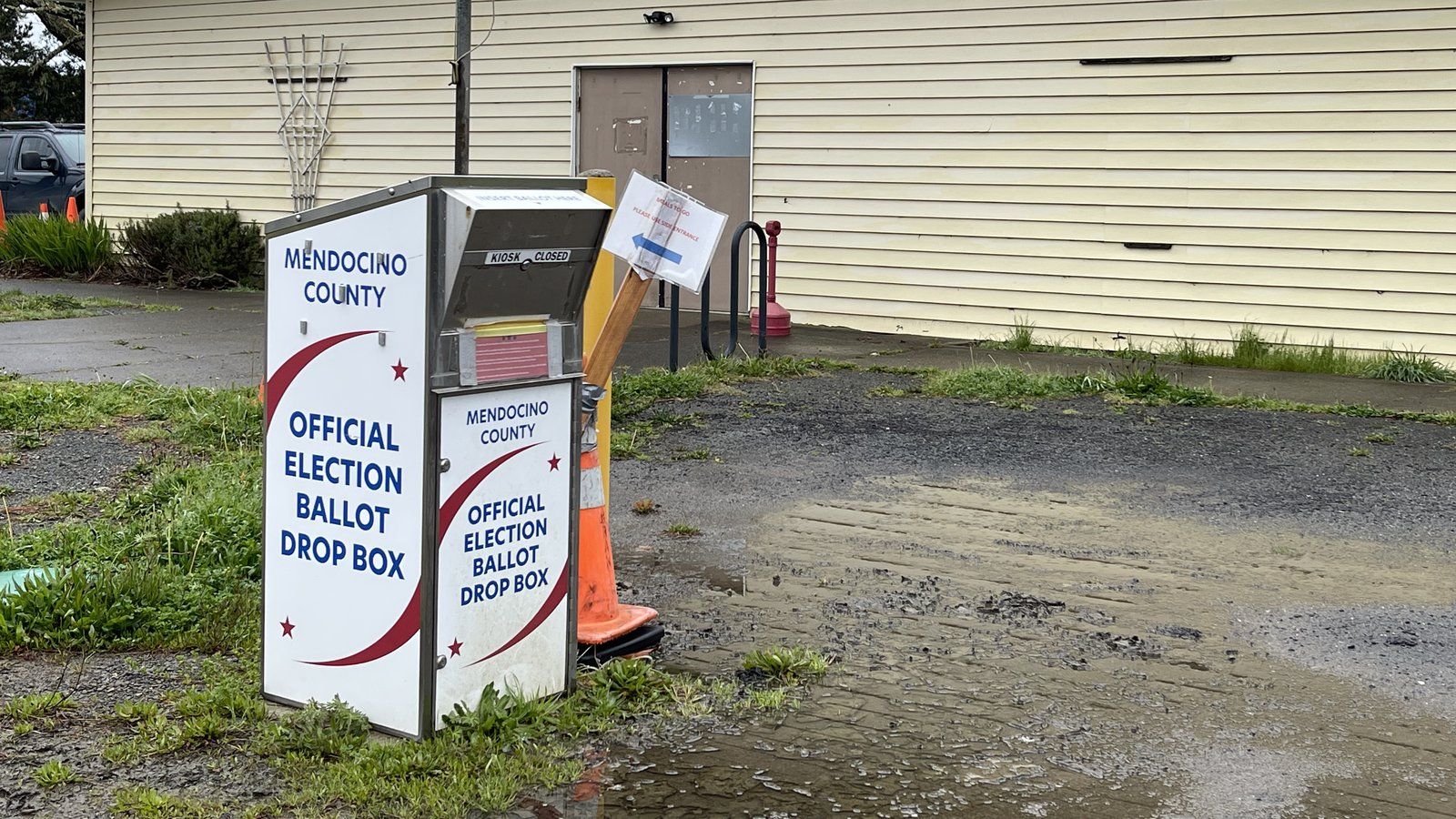
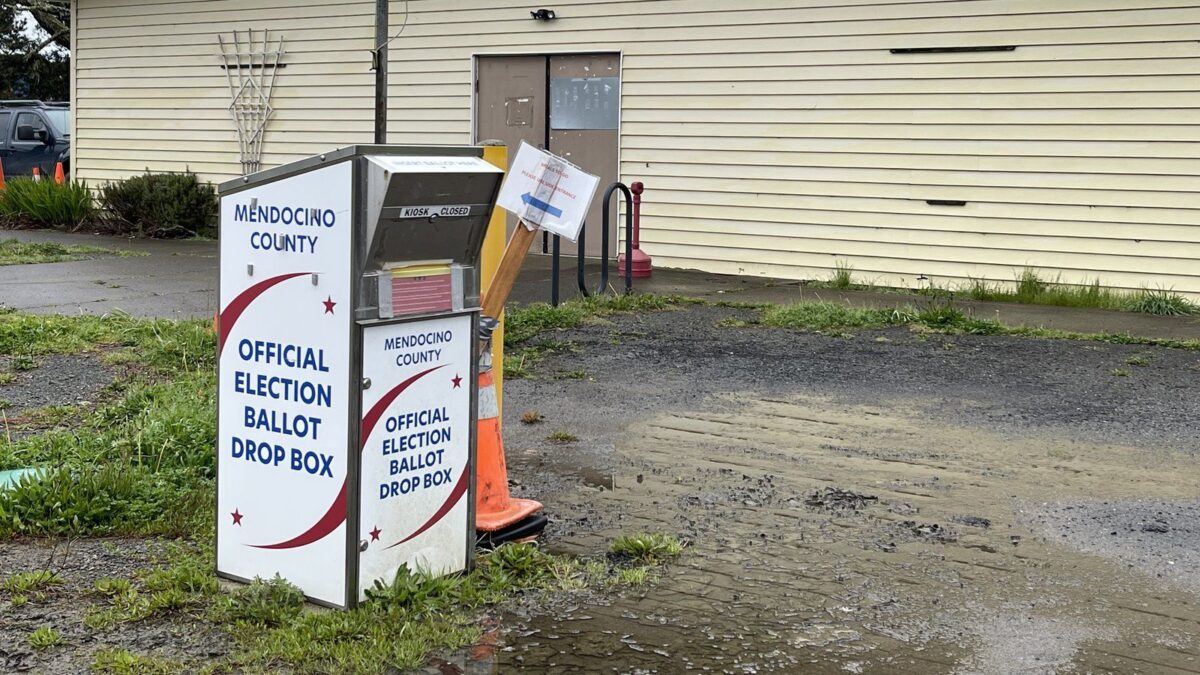
If you voted by mail or absentee in the Nov. 3 general election and are asking “How do I track my ballot?”, most states have an official online lookup. The job may not be quite done. Counties are still checking signatures and ID details on returned envelopes. A ballot with a problem may not count unless the voter fixes it, which election offices call “curing” the ballot, by a deadline set in state law. Several of those deadlines fall this week.
This guide covers how to look up your ballot, what the status messages mean and how to cure a ballot. A state-by-state table lists each official tracking tool and cure deadline, sourced to the state election office or state law.
How do I track my ballot?
Most states run an official ballot lookup through the secretary of state or state election board. Some hand off to county election offices. A few also offer text or email alerts that report each step, from mailed to received to accepted. The lookup usually asks for your name and date of birth. Some ask for your county, ZIP code or part of an ID number.
Check your ballot in four steps
- Find your state in the table below and open its official lookup. If your state is not listed, use the National Association of Secretaries of State’s Can I Vote page, which links to every state’s official site.
- Enter your details exactly as they appear on your voter registration.
- Read the status. “Received” usually means the envelope arrived but has not finished review. “Accepted” or “counted” means it passed review.
- If the status says rejected, challenged, “needs attention” or “defect,” contact your county or local election office the same day and ask how to cure the ballot and by when.
Use only official state or county election sites. Ballot status shows whether your envelope was processed. It does not show how you voted.
How to cure a ballot if there is a problem
Curing a ballot means giving election officials what they need to accept a mail ballot that was flagged. The most common problems are a missing signature on the return envelope, a signature that officials judge does not match the one on file, and a missing or mismatched ID number in states that require one.
States that offer a cure process generally require the local election office to notify the voter. The notice may arrive by mail, phone, email or text. The fix is usually a short signed form, such as an affidavit or signature statement, sometimes with a copy of ID. Depending on the state, you can return it by mail, email, fax, in person or online. Texas, for example, lets voters fix some ID number problems online, and Nevada has an online cure page.
Deadlines are strict and they differ. Some states count calendar days and others count business days. Some deadlines fall on a weekend. Time zones are local. If a form must be received by the deadline, mailing it on the last day may be too late. Voters who cast a provisional ballot face a separate process. See how provisional ballots work and when they count.
Ballot tracking and cure deadlines by state
The table lists the rule as written by each state’s election office or in state law, then the date it produces for the Nov. 3, 2026, general election. Where a state’s official pages did not give one statewide deadline, the table says to check with your county or local election office.
| State | Official ballot lookup | Cure rule (official source) | Deadline for Nov. 3 election |
|---|---|---|---|
| Arizona | My.Arizona.Vote (Maricopa and Pima voters may also check with their county) | Signature discrepancy: Secretary of State says state law gives voters until 5 p.m. Sunday, Nov. 8, 2026 | 5 p.m. Sunday, Nov. 8 (Secretary of State date; confirm with your county recorder) |
| California | Where’s My Ballot? | Missing or non-matching signature: statement due to county by 5 p.m. Nov. 25, 2026 (Secretary of State) | 5 p.m. Wednesday, Nov. 25 |
| Colorado | BallotTrax | 11:59 p.m. MT on the eighth day after Election Day; moves to the next day if that day is a state or federal holiday (Secretary of State) | 11:59 p.m. MT Thursday, Nov. 12 (the eighth day is Veterans Day) |
| Florida | County vote-by-mail status lookup | Cure affidavit (Form DS-DE 139) plus ID copy, due by 5 p.m. local time on the second day after the election (Division of Elections) | 5 p.m. Thursday, Nov. 5 |
| Georgia | My Voter Page | If a ballot is rejected, the county elections office will contact the voter with a cure document (Georgia.gov) | Check with your county |
| Michigan | Ballot tracking | Signature cure form to your local clerk by 5 p.m. the Friday after Election Day (Secretary of State) | 5 p.m. Friday, Nov. 6 |
| Nevada | Secretary of State mail ballots | Signature or confirmation due by 5 p.m. on the sixth day after the election (NRS 293); cure online | 5 p.m. Monday, Nov. 9 |
| New Jersey | Track My Ballot | No statewide deadline on the official pages checked | Check with your county |
| New York | Voter Lookup and Mail Ballot Tracker | No statewide date on the official pages checked | Check with your county board of elections |
| North Carolina | BallotTrax | No statewide deadline on the official pages checked | Check with your county board of elections |
| Ohio | Track Your Ballot directory (by county) | Missing or defective ID envelope information: form due to the board of elections no later than the fourth day after the election (R.C. 3509.06) | Saturday, Nov. 7 (confirm board office hours) |
| Oregon | Track Your Ballot | Unsigned envelope or signature mismatch: evidence due by the 21st calendar day after the election (ORS 254.431) | Tuesday, Nov. 24 |
| Pennsylvania | Ballot tracking | No statewide cure deadline on the official pages checked | Check with your county election office |
| Texas | Ballot by Mail Tracker | Corrective action until the sixth day after Election Day; ID number problems can be fixed online in the tracker (VoteTexas.gov) | Monday, Nov. 9 |
| Utah | Check Ballot Status | Signature mismatch: voter is notified and may return an affidavit, or “cure letter” (Vote.Utah.gov) | Check with your county clerk |
| Virginia | Citizen Portal | Corrections before noon on the third day after the election (Va. Code 24.2-709.1) | Noon Friday, Nov. 6 |
| Washington | VoteWA | Signature cure by close of business the day before the election is certified (WAC 434-261-053); counties certify 21 days after a general election (RCW 29A.60.190) | Close of business Monday, Nov. 23 |
| Wisconsin | MyVote Track My Ballot | A ballot with a defective certificate may be returned to the voter only when time permits a corrected ballot to arrive by 8 p.m. on Election Day (Wis. Stat. 6.87) | Passed (8 p.m. Tuesday, Nov. 3) |
Swipe to see more →
What if my state is not listed?
Start with the NASS Can I Vote page or the U.S. Election Assistance Commission’s state directory. Each one points to your state’s official election site, where most states post a ballot lookup. Not every state has a post-election cure process, and some leave the details to counties. A call to your county or local election office is the fastest way to get your exact deadline. Our how to vote guide also links each state’s election office.
Tips before the deadline
- Respond to any notice right away. Arizona’s Secretary of State, for one, tells voters not to wait until the deadline.
- Use the method in your notice. Some states accept email, fax or online cures and others need paper or an in-person visit.
- Sign the cure form the way you sign official documents, and include an ID copy if the form asks for one.
- Check your status again a few days after you send the form to confirm the ballot moved to accepted.
- Be wary of anyone who calls or texts asking for payment or a password. If in doubt, call your county using the number on its official website.
A “received” status the day after the election is normal. Counties process mail ballots in stages, and status updates can lag by several days.